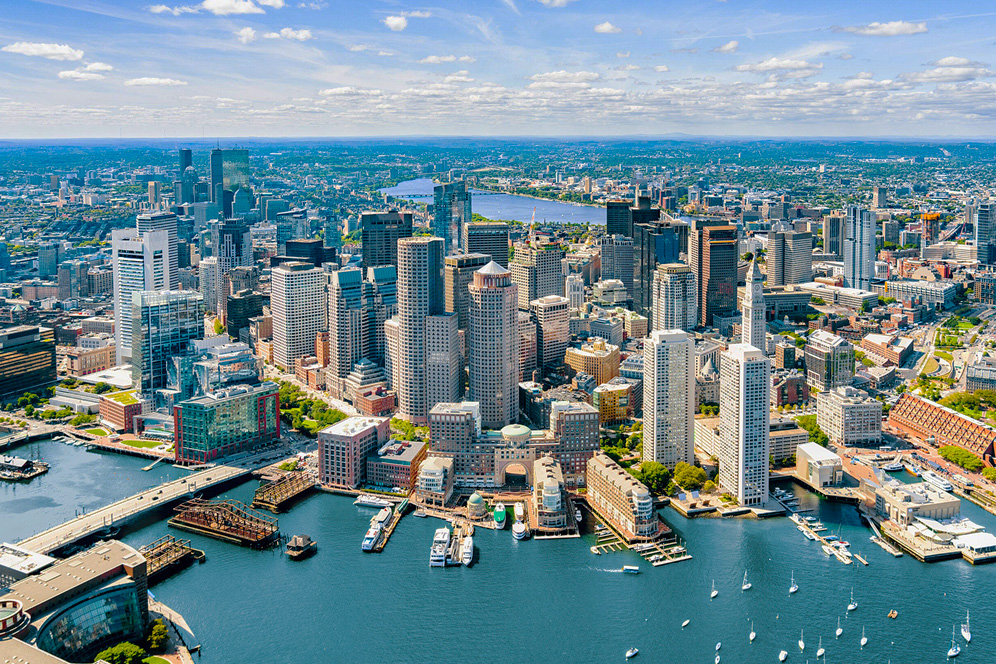
Boston is one of the oldest cities in the United States and a living history book. Here, you can walk through the places where the American nation was born and see how the Founding Fathers lived and fought. It was founded in 1630 and played a key role in the American Revolution.
Boston was called the “Athens of America” due to its many universities and cultural centers. The first school (1635), the first public library (1852), and the first subway (1897) were opened here. Boston and its surrounding areas are home to world-famous universities, including Harvard, founded on September 8 1636, and the Massachusetts Institute of Technology (MIT), which has been accepting students since 1861. Unlike many large American cities, Boston is very walkable. All the key attractions in the city center are within walking distance.
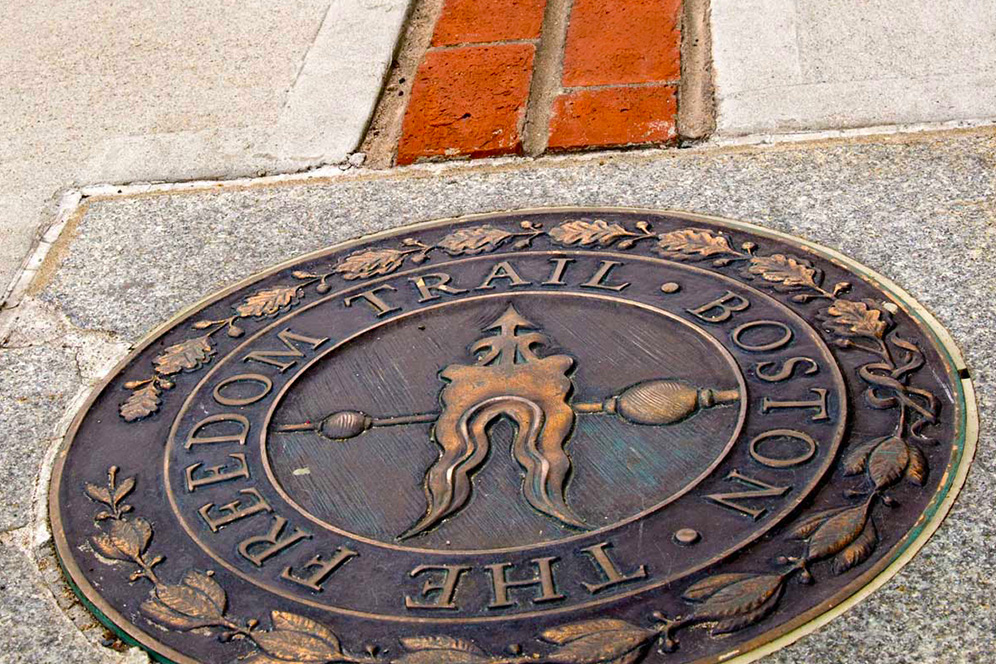
The Boston Freedom Trail is a unique 2.5-mile (4 km) historical route through downtown Boston conceived in 1951 by journalist William Scofield. The trail is marked with a red line of brick or paint on the sidewalks. It connects 16 key sites associated with the history of the American Revolution and the early development of the United States. The route begins at Boston Common, the oldest public park in the United States, and ends at the Bunker Hill Monument in Charlestown.
Boston Public Garden is one of the oldest public botanical gardens in the United States, founded in 1837. This picturesque park adjacent to Boston Common is famous for its manicured landscaping, seasonal flower displays, and a large pond where visitors can ride the famous Swan Boats. The park is home to many statues and monuments, including a sculpture of George Washington on horseback and a popular children’s sculpture of Ducklings based on the book “Make Way for Ducklings” by Robert McCloskey.
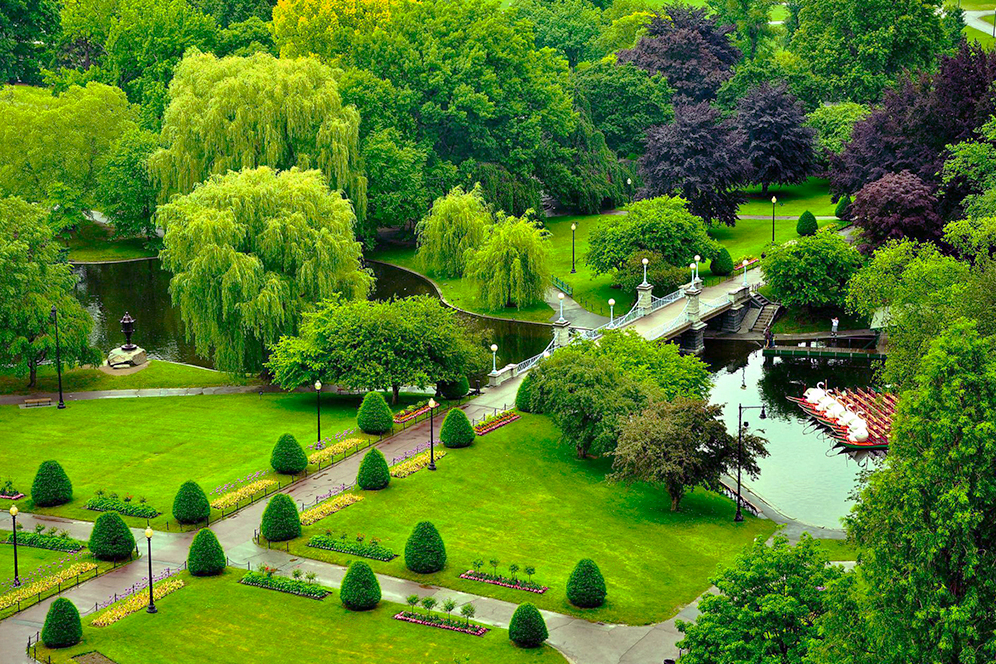
One of the park’s most famous landmarks is the park bench made famous by the film Good Will Hunting. On this bench, located on the shore of the pond, one of the film’s most emotional scenes takes place, where Robin Williams’ character, Dr. Sean Maguire, has a frank conversation with Will Hunting (Matt Damon). After Robin Williams’ death, the bench became an unofficial memorial, where his fans brought flowers and messages in memory of the actor.
Old Town Trolley Boston is a popular tourist transportation in Boston that combines a sightseeing tour with a convenient way to get around the city. One of the main advantages for tourists is the hop-on, hop-off format: you can get on and off the trolley at any of the stops during the day, which allows you to independently plan your route and pace of exploring the city.
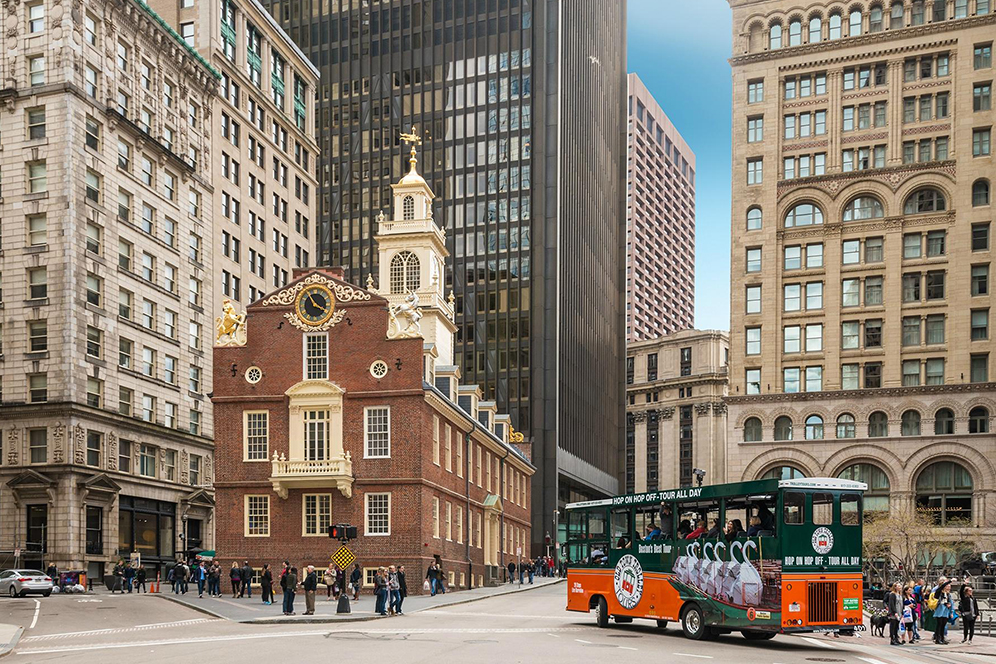
The ticket allows for one or two days of travel, and the itinerary covers major historical and cultural attractions, including the Freedom Trail, Quincy Market, Boston Common, the Boston Tea Party ships and museum, and other iconic sites that we’ll cover in this article.
The USS Constitution Museum is in the historic US Navy Yard in Charlestown, Boston. It is dedicated to the legendary frigate USS Constitution, known as “Old Ironsides” – one of the oldest active warships in the world, launched in 1797. The museum’s exhibits chronicle the more than 200-year history of the US sailing fleet and the ship’s role in the wars with Great Britain in the early 19th century.
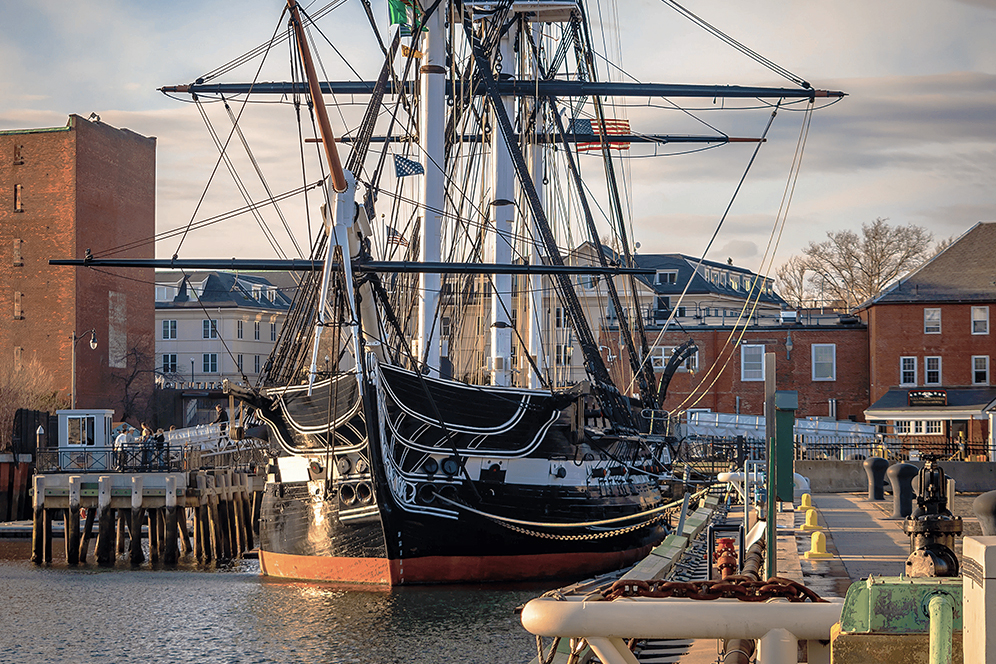
The museum features numerous exhibits and interactive displays that allow visitors to try to be a gunner or helmsman. Here, visitors can imagine participating in distant naval battles and reflect on the heroism, courage, and endurance experienced by sailors defending their country, or the desire to embark on adventure. Every detail of the ship, from the massive cannons to the cramped cabins, evokes thoughts of a life full of dangers and hardships and pride in one’s calling. This isn’t just a stroll through an old ship – it’s a journey into history that instills a deep respect for those who once served on Old Ironsides and helped shape a nation.
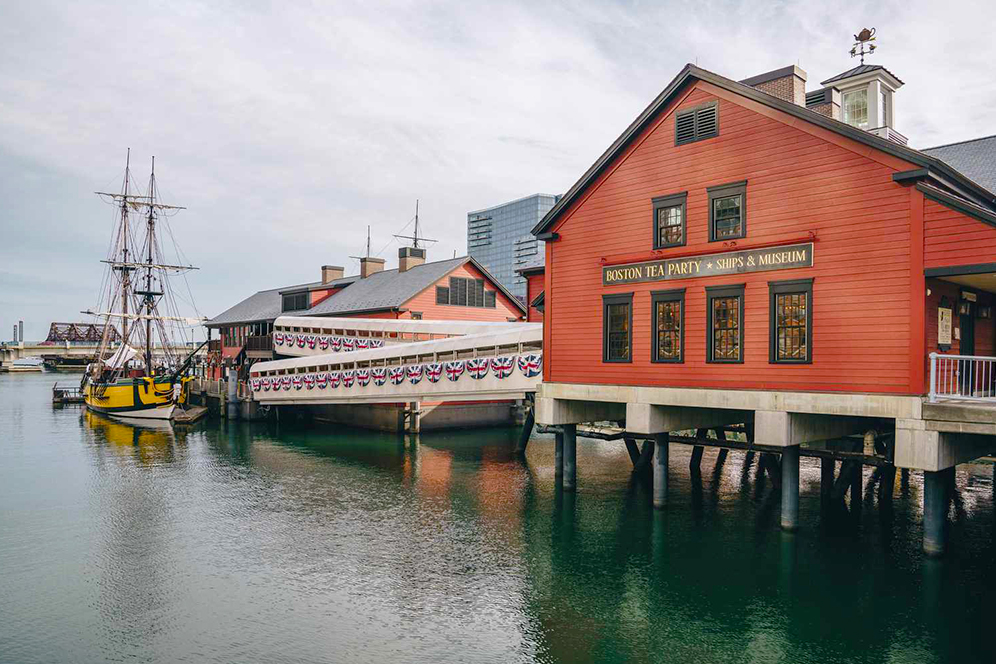
Boston Tea Party Ships & Museum tells the story of the American colonists’ protest against British taxes in Boston on December 16, 1773. The museum houses replicas of the Brig Beaver and Eleanor ships. Through costumed theatrical scenes, visitors are shown a chronology of the events that became symbolic of the struggle against taxation without representation and one of the steps toward the American Revolution. The museum hosts regular and special events, such as tea tastings and reenactments of the sabotage in which American colonists dressed as Native Americans boarded British ships and dumped 342 chests of tea into the harbor.
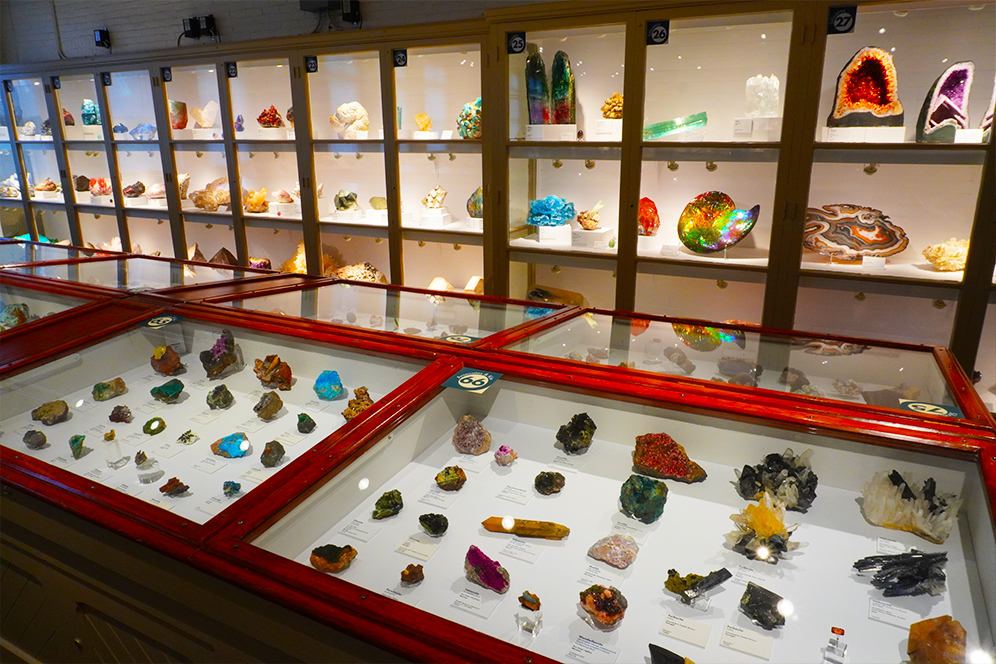
Visit Cambridge, stroll through the Harvard University campus, and stop by the Harvard Museum of Natural History, founded in 1998. This important research center is famous for its extensive collections of minerals, gems, meteorites, and giant dinosaur and marine skeletons. One of the museum’s most unique features is the Glass Flowers exhibition, created between 1887 and 1936 by Czech masters Leopold and Rudolf Blaschka. It includes more than 4,000 realistic models of plants and their parts.
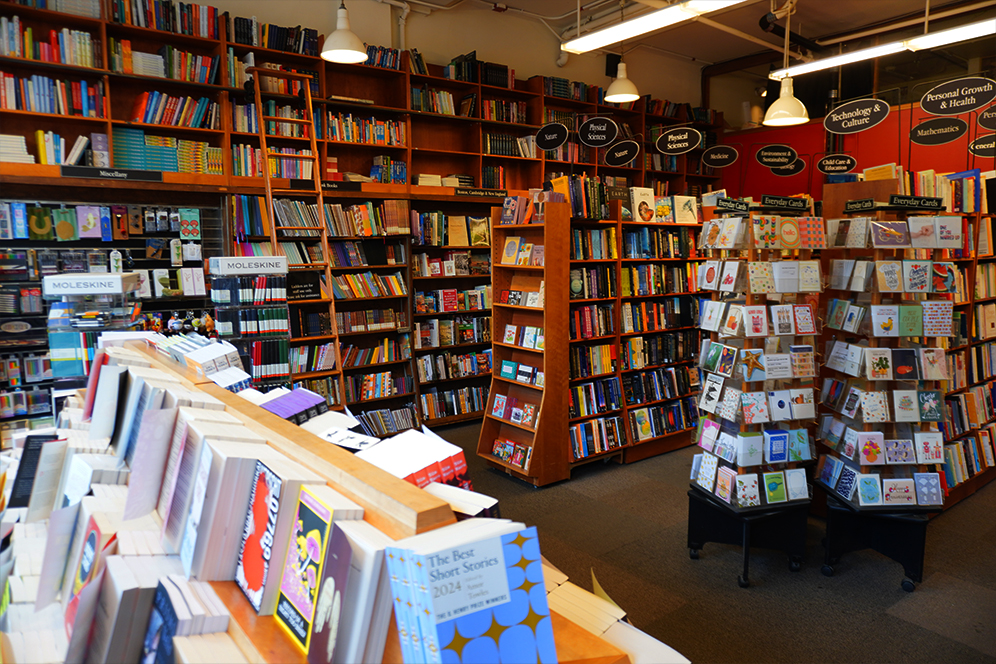
Harvard Book Store is a unique and special place to shop – a local, independent Cambridge landmark since 1932. The store is known for its exceptional selection of new, used, and discounted books, which have received excellent reviews and awards from professional book societies.
The Boston Museum of Fine Arts is a group of three museums preserving an impressive collection of over 250,000 works of art spanning virtually every era and continent. Its history began in 1895 with the opening of the Fogg Museum, which was established as a center for studying and teaching art history at Harvard.
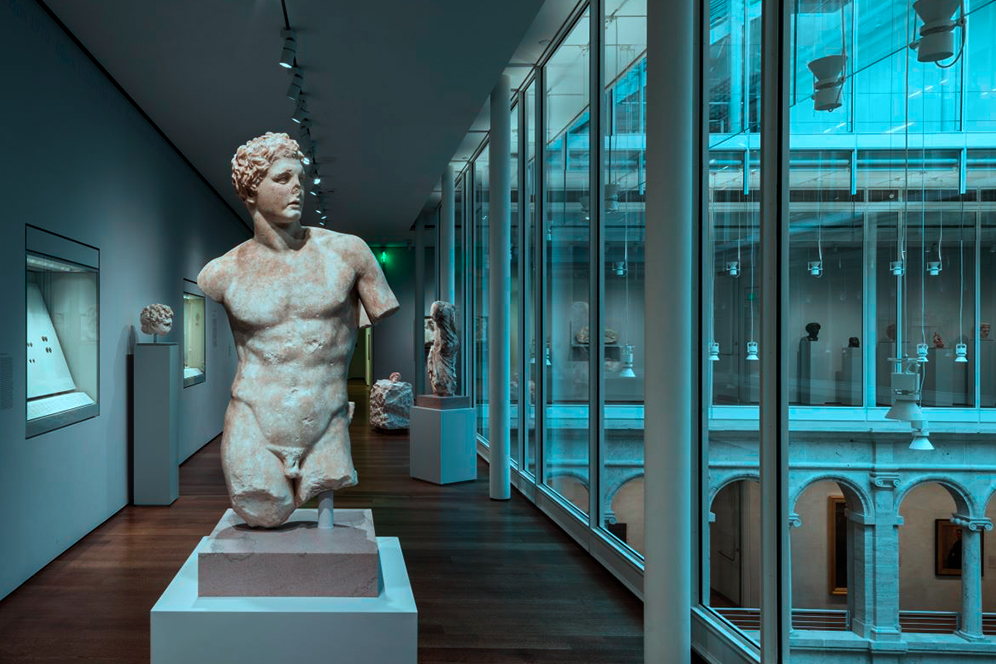
The Fogg Museum is particularly renowned for its European paintings, including works by Titian, Rembrandt, and Van Gogh, as well as modern art and graphics. The Busch-Reisinger Museum brings a unique German-language culture to the Harvard Art Museums, presenting works by artists from Austria, Germany, and Switzerland. Meanwhile, the Arthur M. Sackler Museum focuses on Asian art, including ancient artifacts from China, Japan, and India, making it a true treasure trove for lovers of the exotic and history.
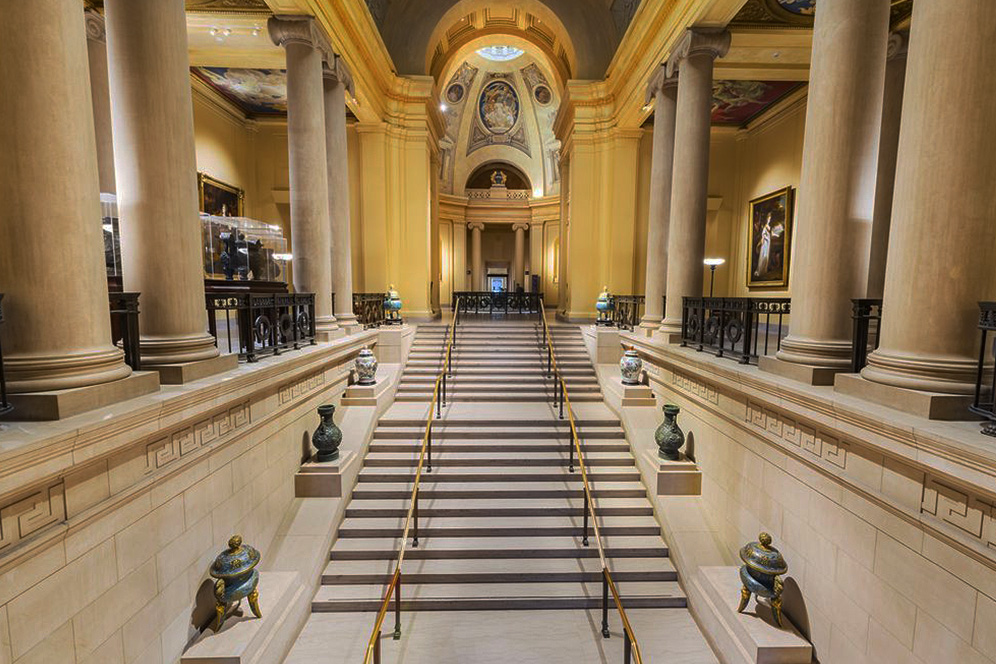
Founded in 1870, the Boston Museum of Fine Arts is one of North America’s largest and most diverse art museums. It houses a collection of nearly 500,000 works of art spanning more than 5,000 years of human history.
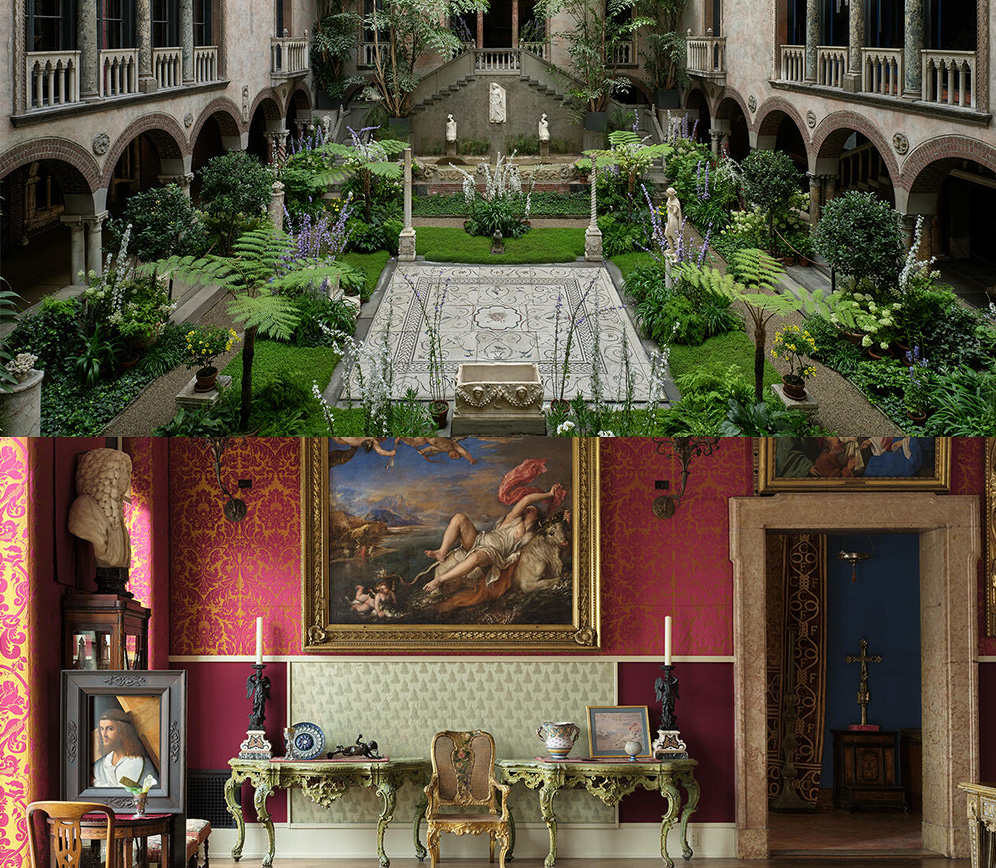
The Gardner Museum of Art was founded in 1903 by collector and philanthropist Isabella Stewart Gardner and is known for its unique architecture in the style of a Venetian palace. The museum’s collection includes European painting, sculpture, decorative arts, and rare manuscripts, emphasizing the Italian Renaissance, Dutch painting, and Asian art.
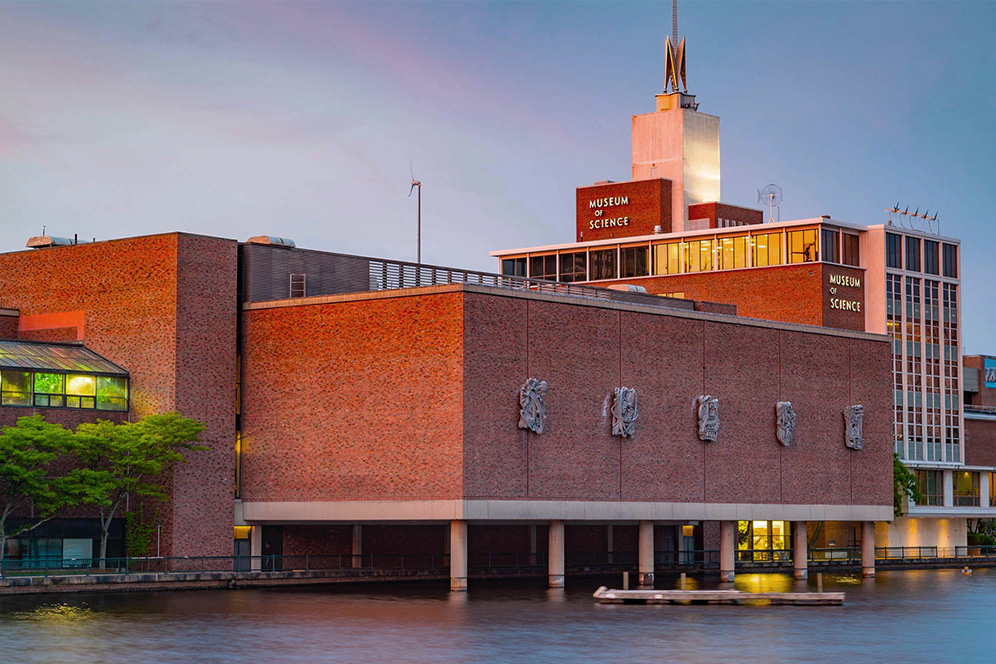
The Boston Museum of Science was founded in the 1830s. Its collection comprises over 700,000 objects. The museum offers interactive exhibits on physics, biology, astronomy, engineering, and technology, as well as a planetarium and a live animal theater. It is focused on science education and popularization for visitors of all ages.
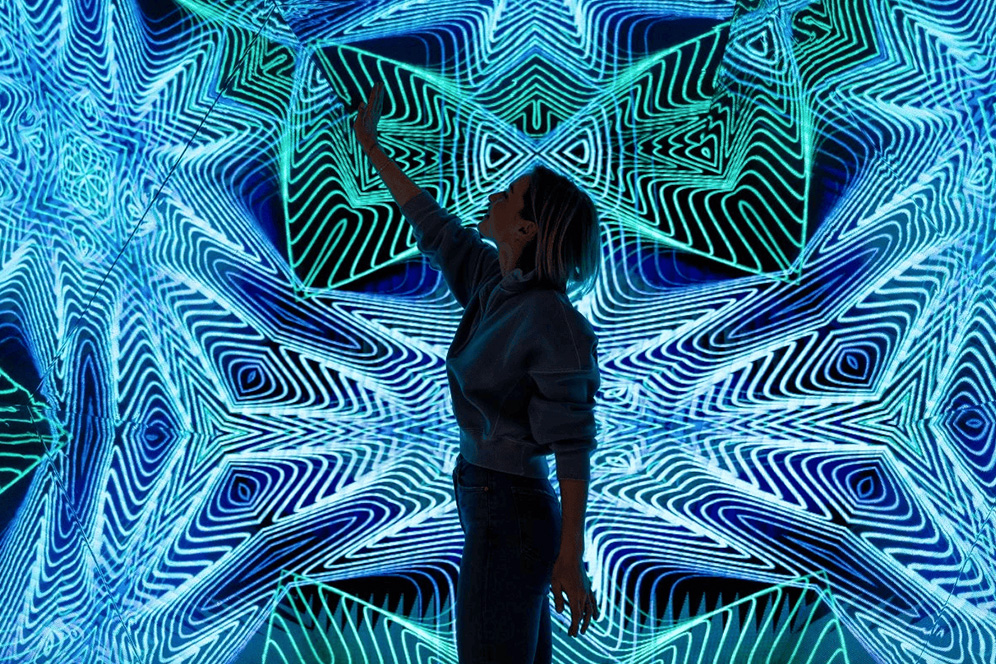
The Museum of Illusions Boston is an interactive museum whose primary goal is to show visitors how human perception can be deceptive. The museum is located downtown, near Quincy Market and the historic district. The exhibition features dozens of visual and sensory illusions: the Ames and Tilted rooms, where the usual laws of perspective and balance are defied, holograms, installations with mirrors and 3D illusions, and “infinite” corridors. It’s a fun experience for both adults and children.

The WNDR Museum is a contemporary, interactive museum of art and technology. It combines contemporary art by renowned artists with optical illusions, light, and digital installations. The museum inspires creativity and engages visitors in an interactive experience. It was first opened in Chicago and later expanded to other US cities, including Boston, San Diego, and Seattle. Each museum space constantly evolves and updates, so exhibitions often change from city to city and over time.
The Boston Children’s Museum is one of the world’s oldest and largest children’s museums, located on the Fort Point Channel in Boston. Founded in 1913, it has become a leading center for interactive learning and family fun.
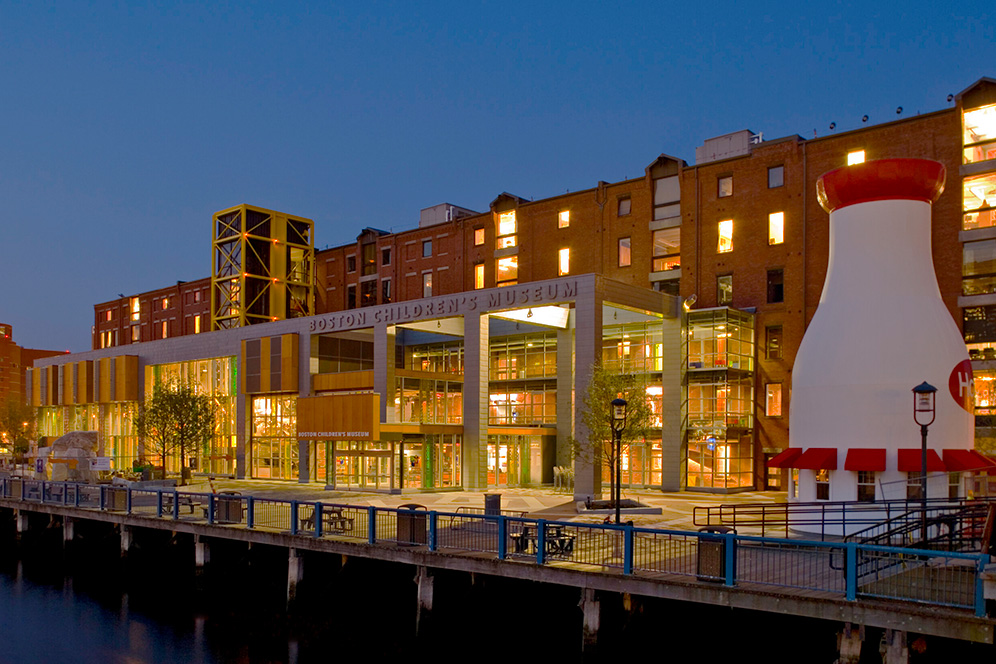
The museum’s exhibits are designed to foster children’s curiosity, creativity, and hands-on skills. They feature themed areas dedicated to science, art, music, culture, and ecology. Children can also explore construction zones, play labs, and water and sound installations. One of the most famous is the Japanese House – an authentic two-story house from Kyoto that offers a glimpse into traditional Japanese life. The museum is designed for children of all ages, from toddlers to teens, and parents who participate in shared activities.
The Boston Fire Museum is a small, free museum dedicated to the history of the Boston Fire Department. It is located in a historic firehouse in the Seaport neighborhood, built in the late 19th century in the Romanesque Revival style. Completed in 1891, the building is an architectural landmark and part of the exhibition.
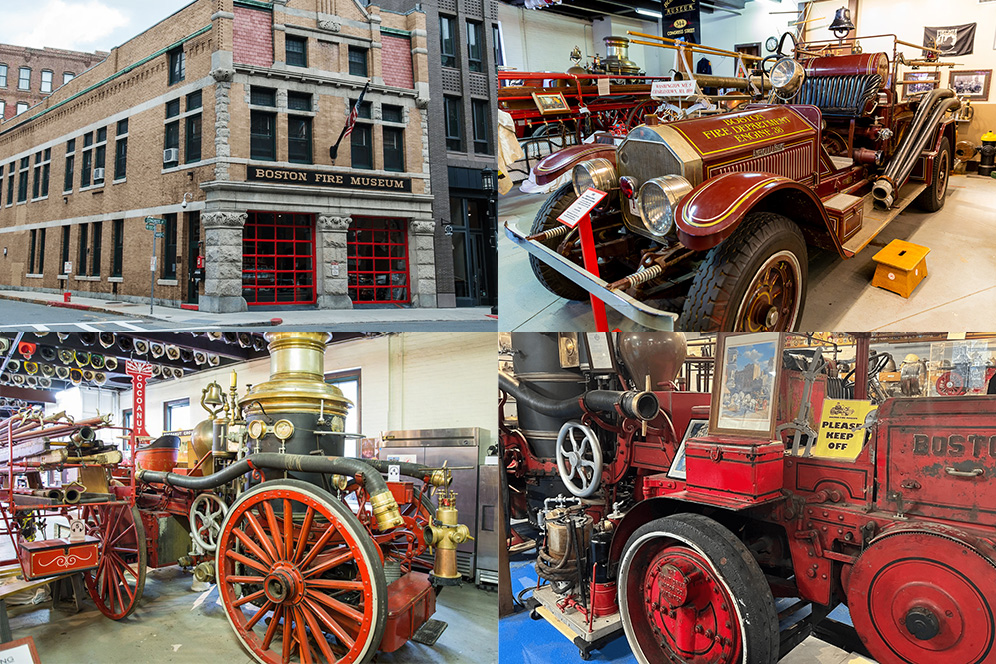
The museum’s collection includes vintage fire engines, hand pumps from the 18th and 19th centuries, firefighters’ equipment and uniforms, photographs, and documents. Many exhibits are in working order, allowing visitors to see how firefighting technology has evolved over more than 200 years.